
Historical Atlas
The timeline advances · 221 BC

Historical AtlasHistory on the map

From 3000 BC to 1900 AD. On a turning earth, watch realms swell and fade — from the Nile and Rome to Magna Carta, the Armada year of 1588, Trafalgar, and the republic declared in 1776.

Scroll to explore
Atlas

Three ways into the map

Time and geography as warp and weft: put realms, campaigns and lives back where they happened.

01

Realms

The great civilizations and polities of the past — how frontiers swell, shrink and give way.

  • Civilizations
  • Tribes
  • Kingdoms
  • Empires
  • Republics
  • Confederations
02

Events

Wars, disasters, reforms and movements that bent the course of human history.

  • Wars
  • Disasters
  • Reforms
  • Movements
03

Figures

Plot the lives of statesmen, captains and rebels as routes on the same earth.

  • Politicians
  • Generals
  • Revolutionaries
  • Thinkers
Rise & Fall

Rise and fall · expansion on the globe

Drag the timeline, or let the years run.

Drag to turn the globe. HD maps in the app
Realms

Realms

From 3000 BC to 1900 AD. Civilizations, peoples and polities set back into time and space.

Civilizations, tribes, kingdoms, empires, republics, confederations — taking the stage on one map.

Ancient realms and the spread of civilizations
The halo of expanding frontiers
Frontiers in motion
Events

Events

The campaigns, disasters and crossings that changed how civilizations grew.

Battle-lines, sea-tracks, walls and voyages — the story laid back on the ground that held it.

Cavalry of the age of cold steel An ancient battlefield Ocean routes
Horses at the charge
Iron horses on the march
Figures

People who moved the map

Statesmen at the council table, captains in the field, rebels who rewrote the polity.
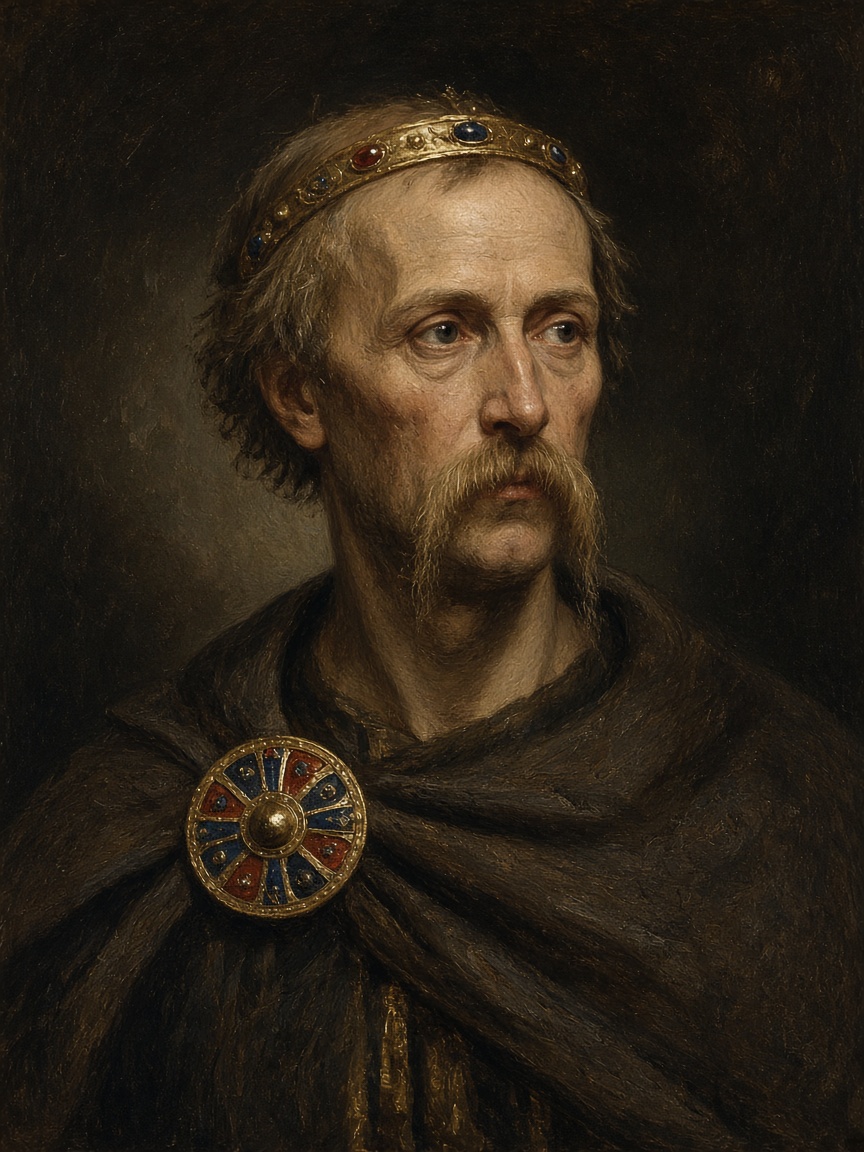
Alfred the Great
Politician

Alfred the Great

849–899

King of the Anglo-Saxons who held Wessex against the Danes and stitched a realm that later called itself England.
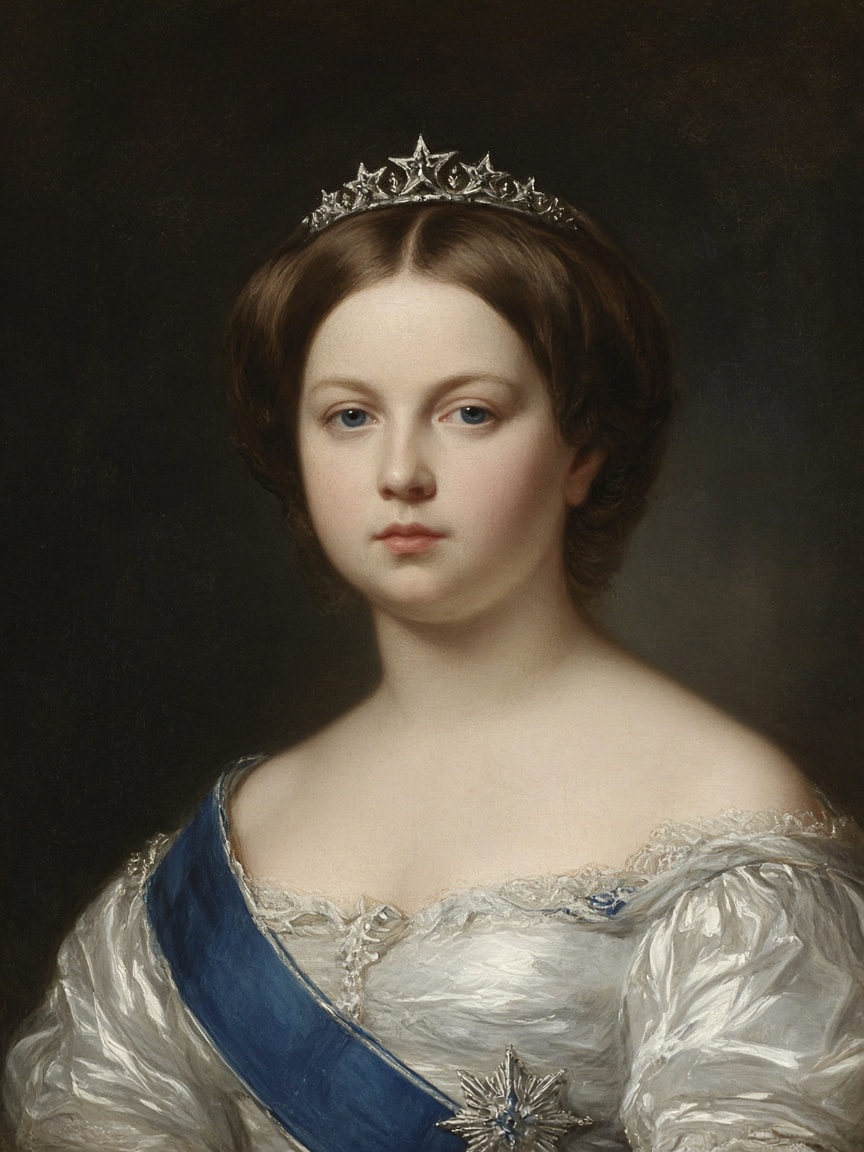
Queen Victoria
Politician

Queen Victoria

1819–1901

Empress of an industrial Britain whose writ ran from the Channel to India; her long reign closes the century this atlas allows.
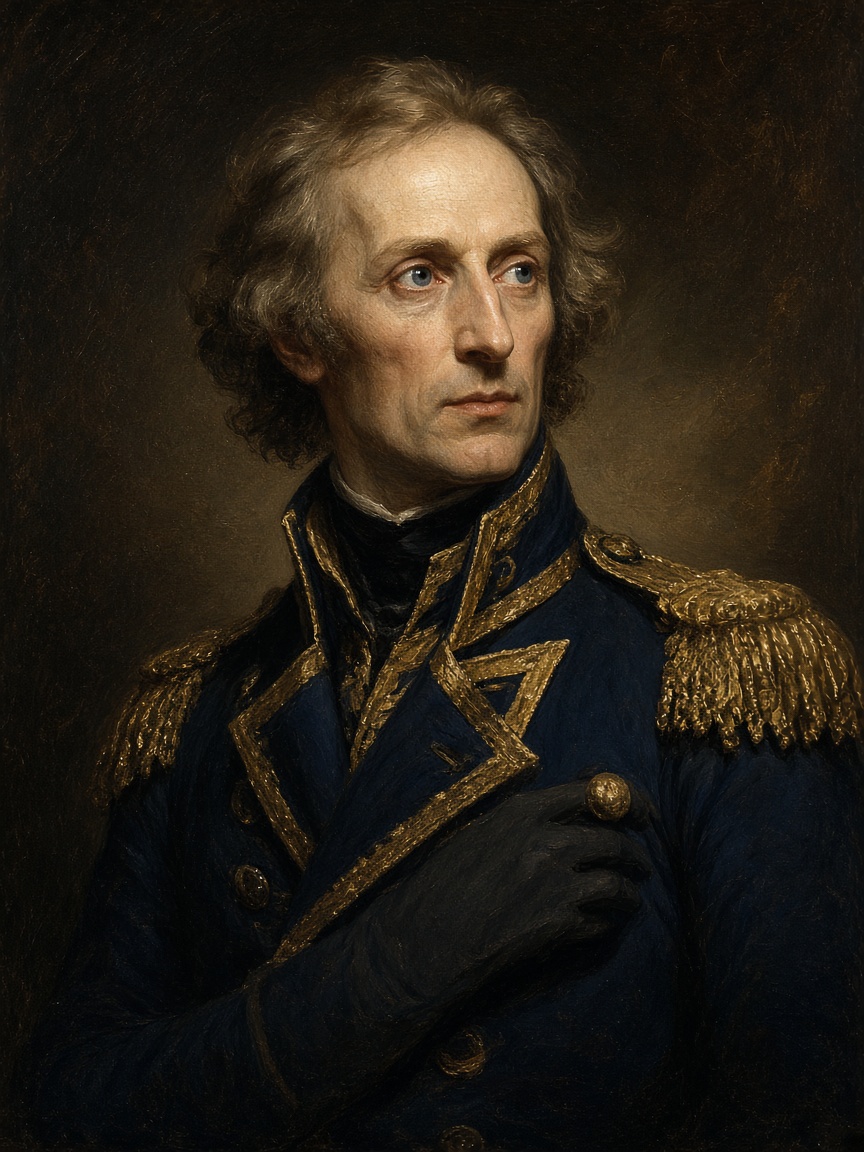
Horatio Nelson
General

Horatio Nelson

1758–1805

He broke the combined fleet at Trafalgar and locked British command of the sea for a century.
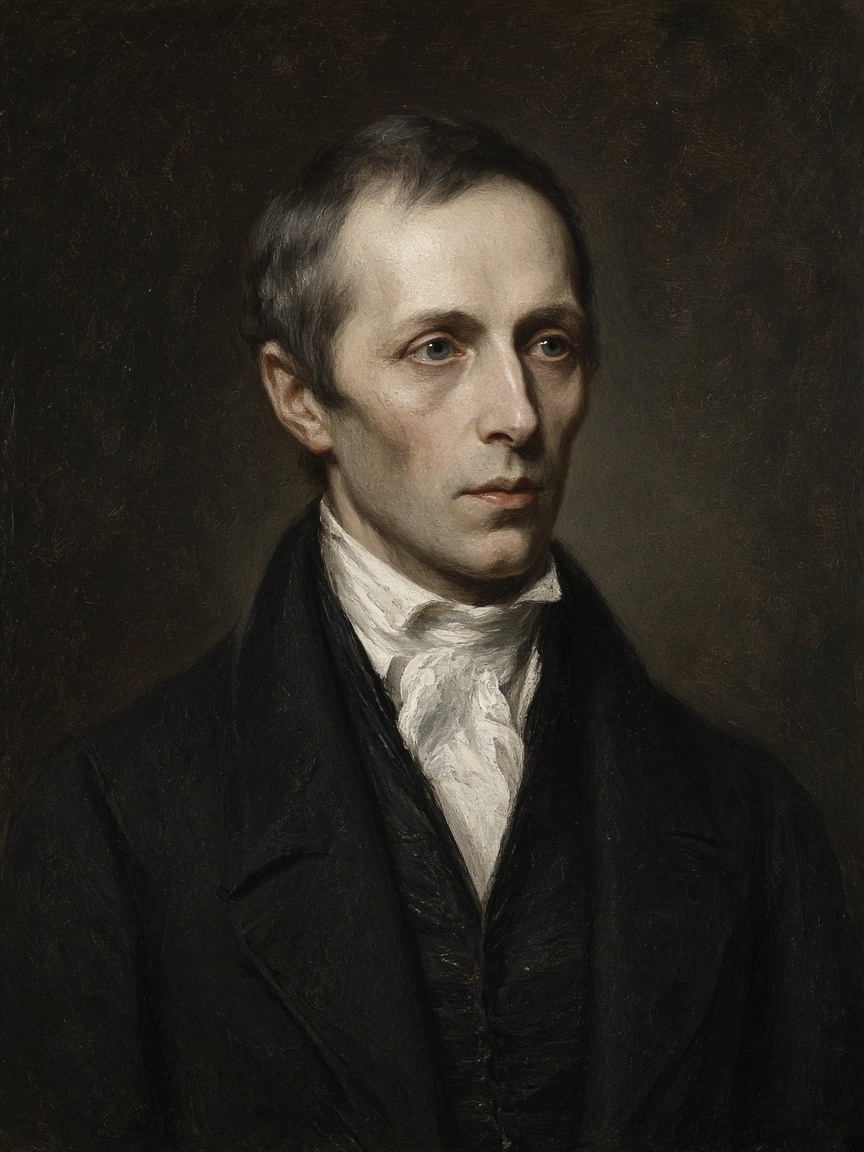
William Pitt the Younger
Politician

William Pitt the Younger

1759–1806

Wartime prime minister who funded the coalitions against France and recast the sinking fund of the British state.
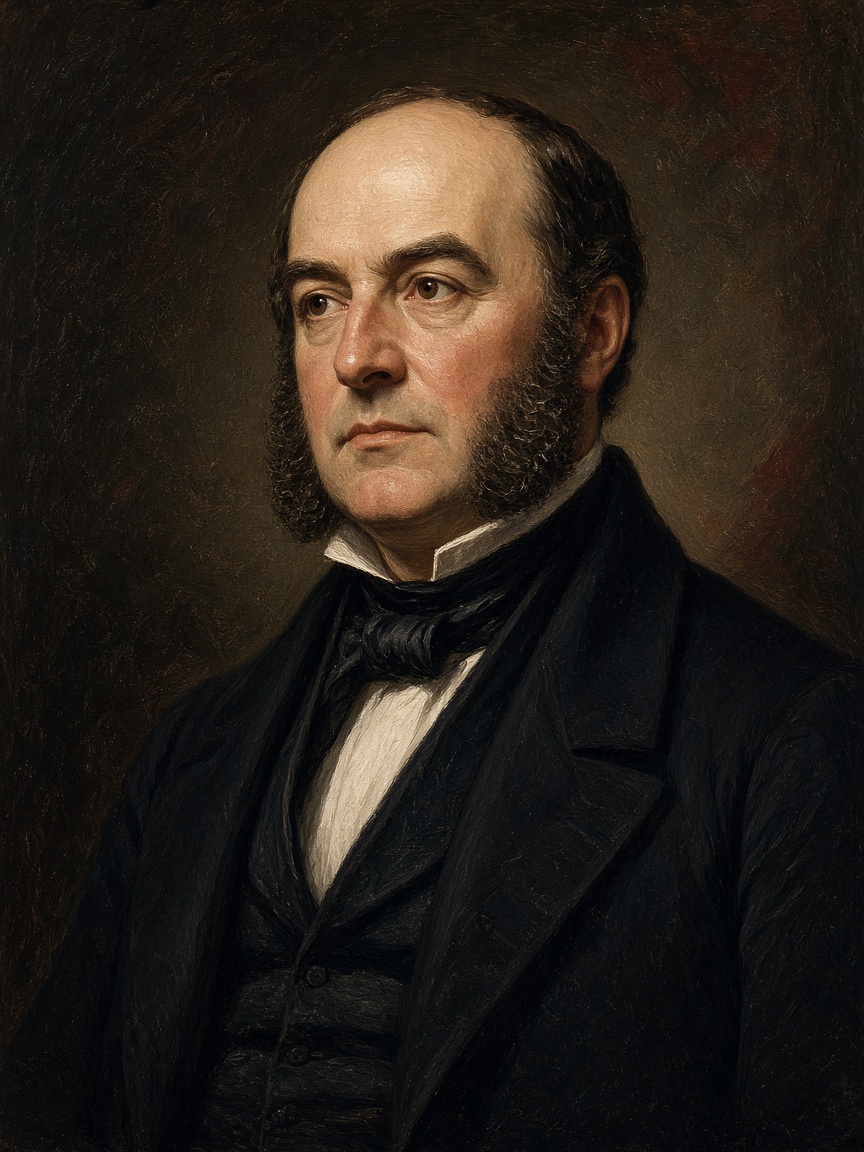
Robert Peel
Reformer

Robert Peel

1788–1850

He founded the Metropolitan Police and repealed the Corn Laws, splitting his party to cheapen bread.
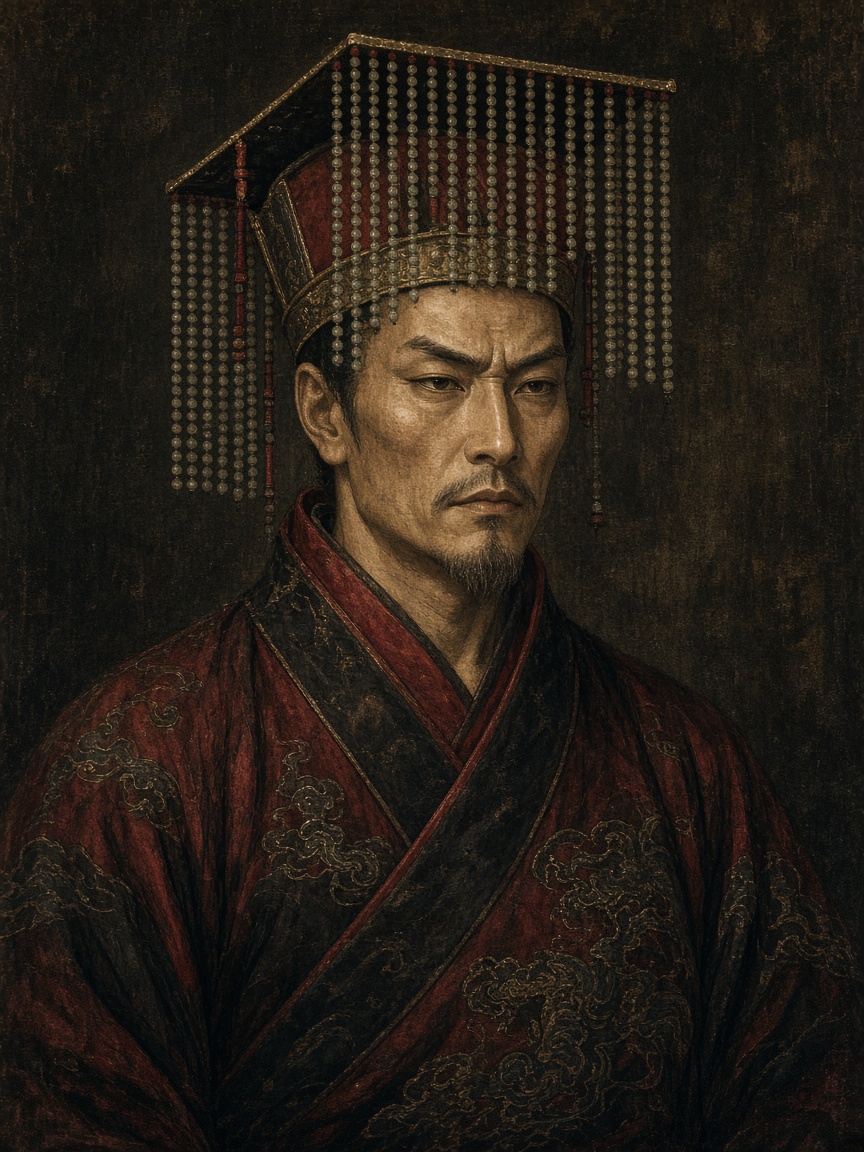
Qin Shi Huang
Politician

Qin Shi Huang

259–210 BC

He crushed the Warring States, unified script and axle, and laid the skeleton of imperial rule in China.
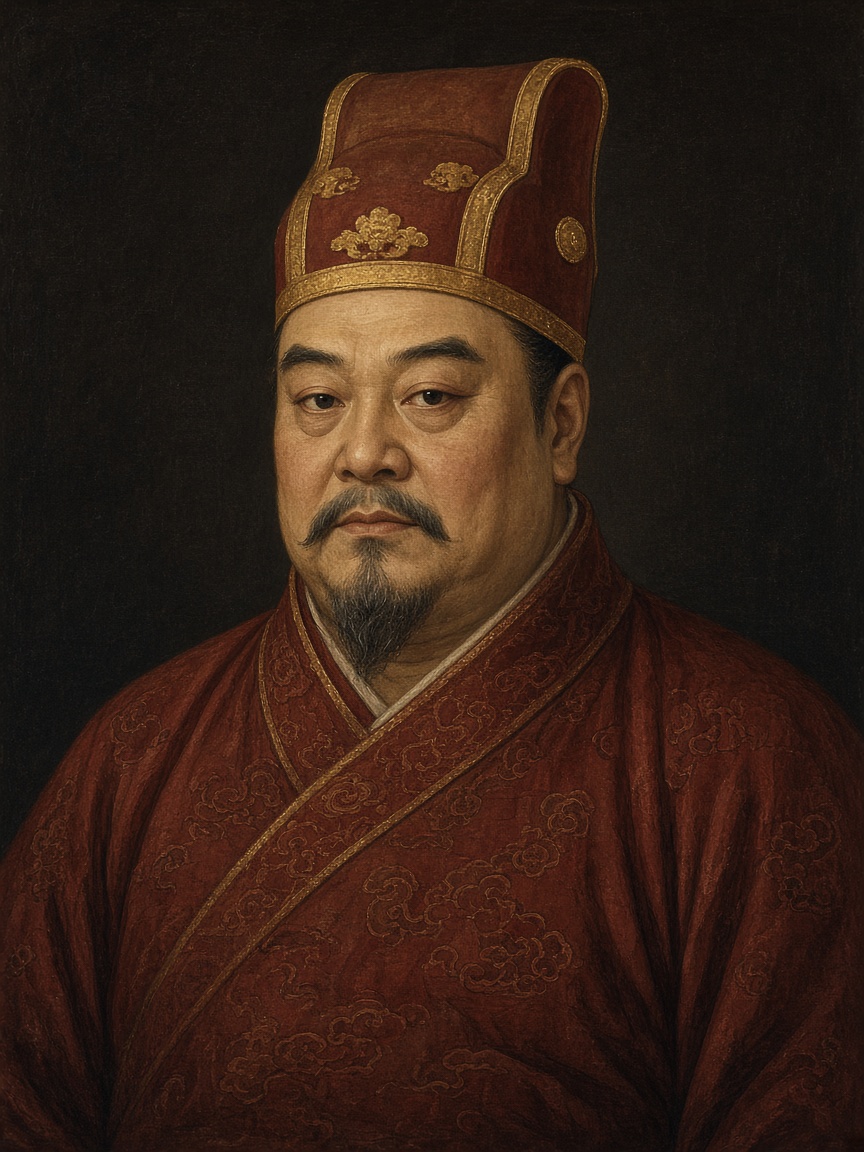
Emperor Wu of Han
Politician

Emperor Wu of Han

156–87 BC

He pushed Han armies to the steppe, opened the Silk Road, and made Confucian learning the language of the court.
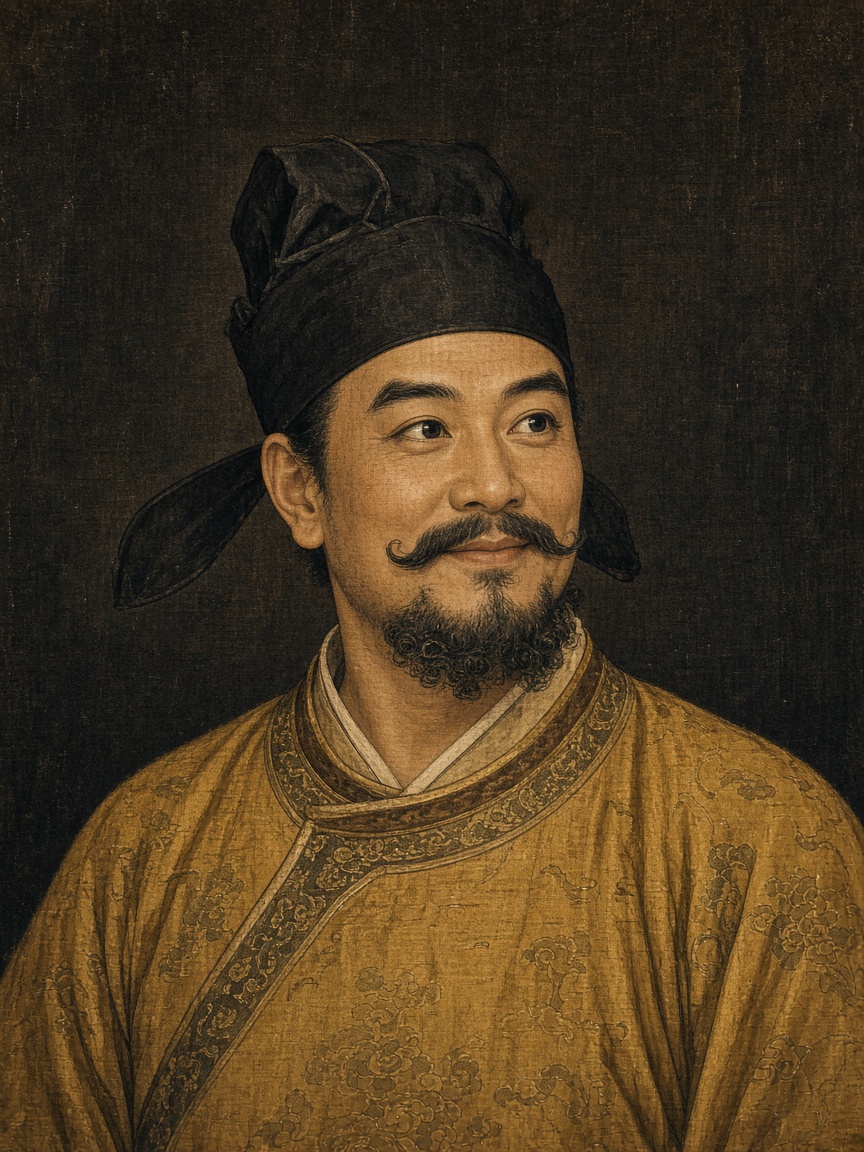
Emperor Taizong of Tang
Politician

Emperor Taizong of Tang

598–649

The Zhenguan years became the mirror later dynasties held up to good government, with the Silk Road at full stretch.
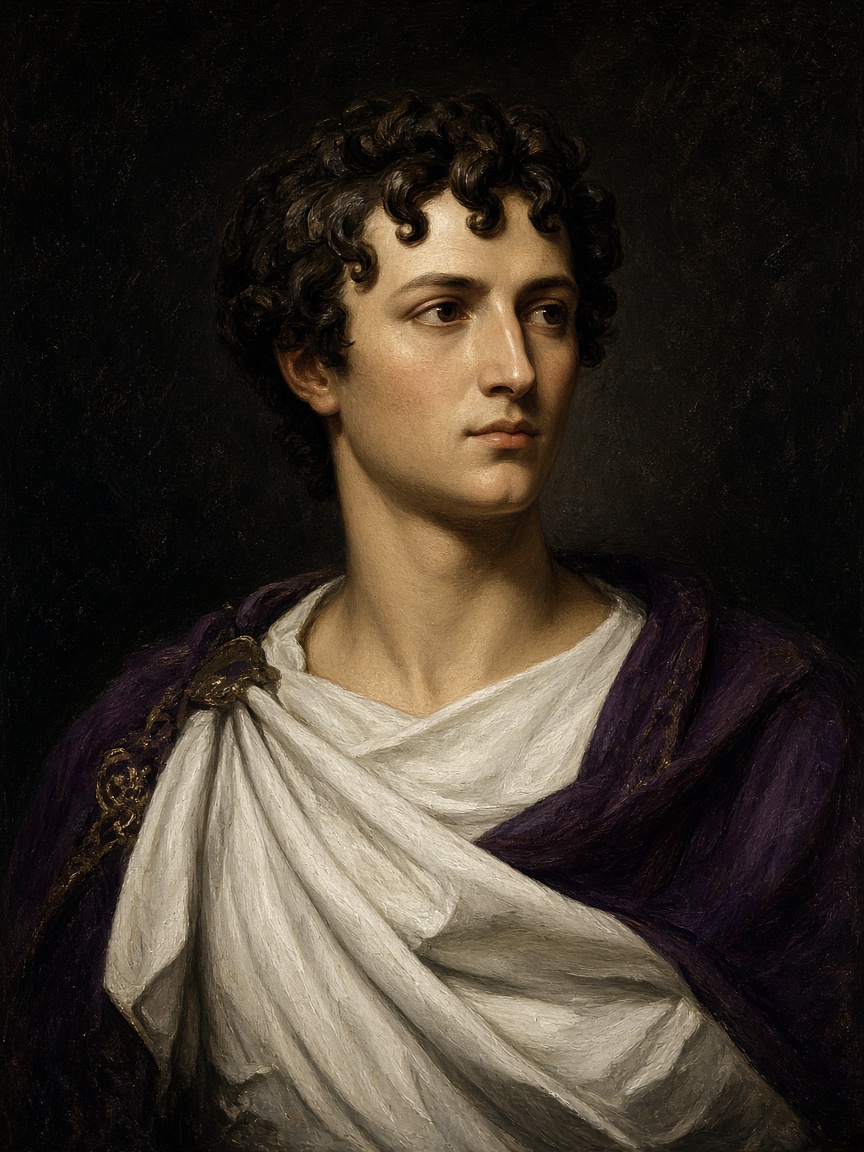
Augustus
Politician

Augustus

63 BC – AD 14

He ended Rome’s civil wars, founded the Principate, and opened a long peace with an emperor at its centre.
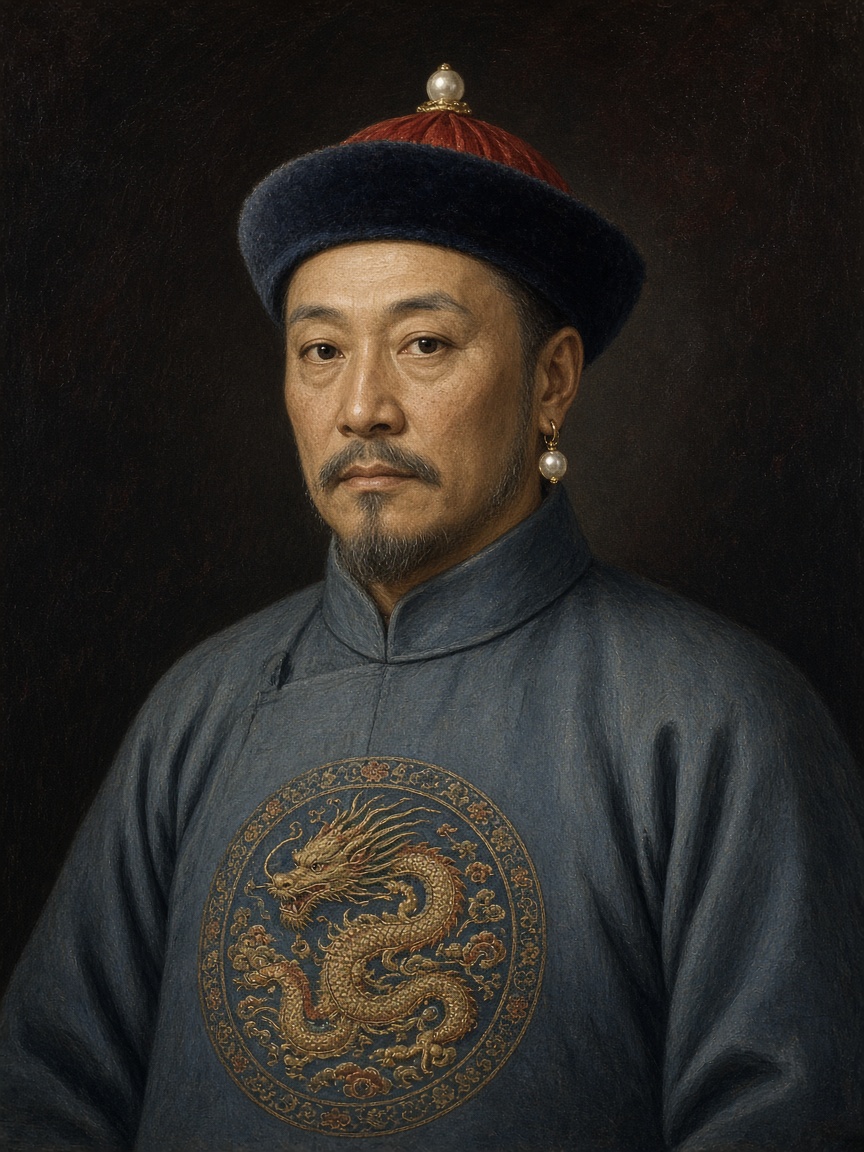
Kangxi Emperor
Politician

Kangxi Emperor

1654–1722

A long reign that settled frontiers and held a vast, many-peopled Qing empire together at the turn of the eighteenth century.
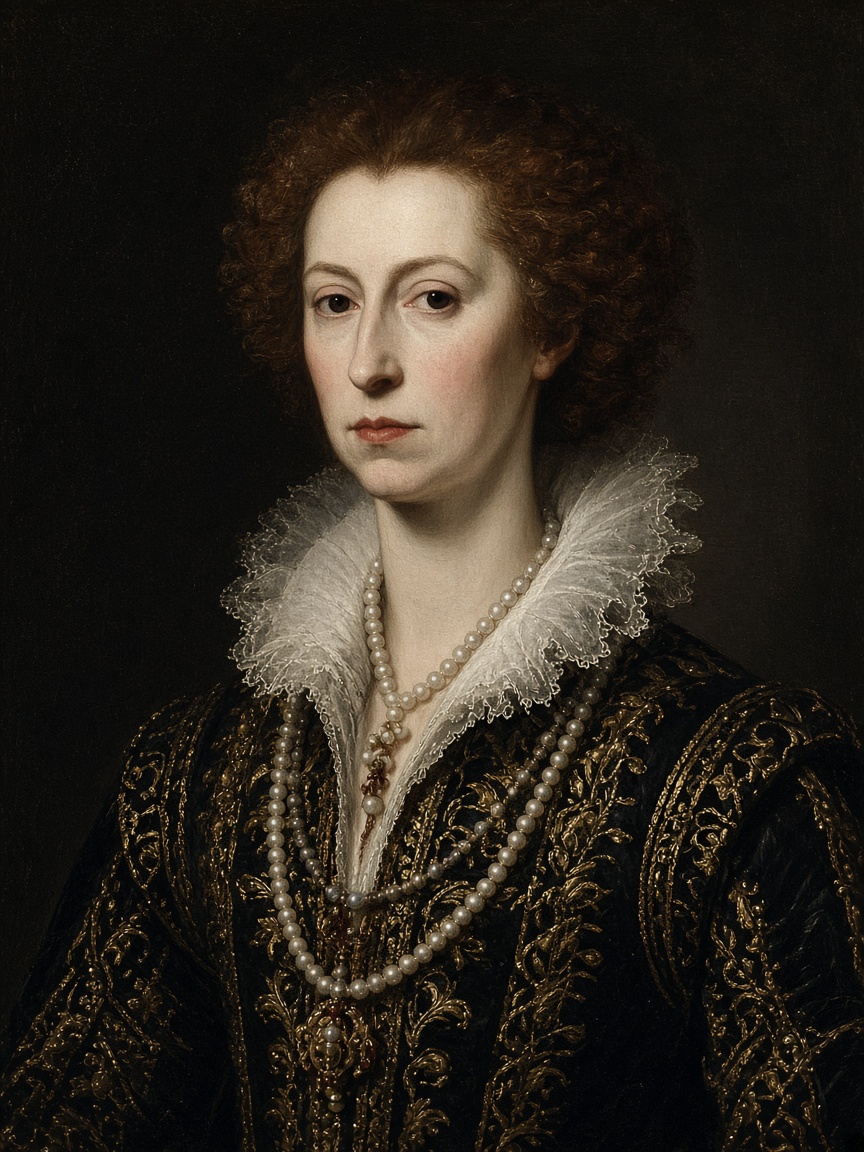
Elizabeth I
Politician

Elizabeth I

1533–1603

In an age of schism and sea-war she gave England its Elizabethan century — theatre, privateers, and a realm that learned the ocean.
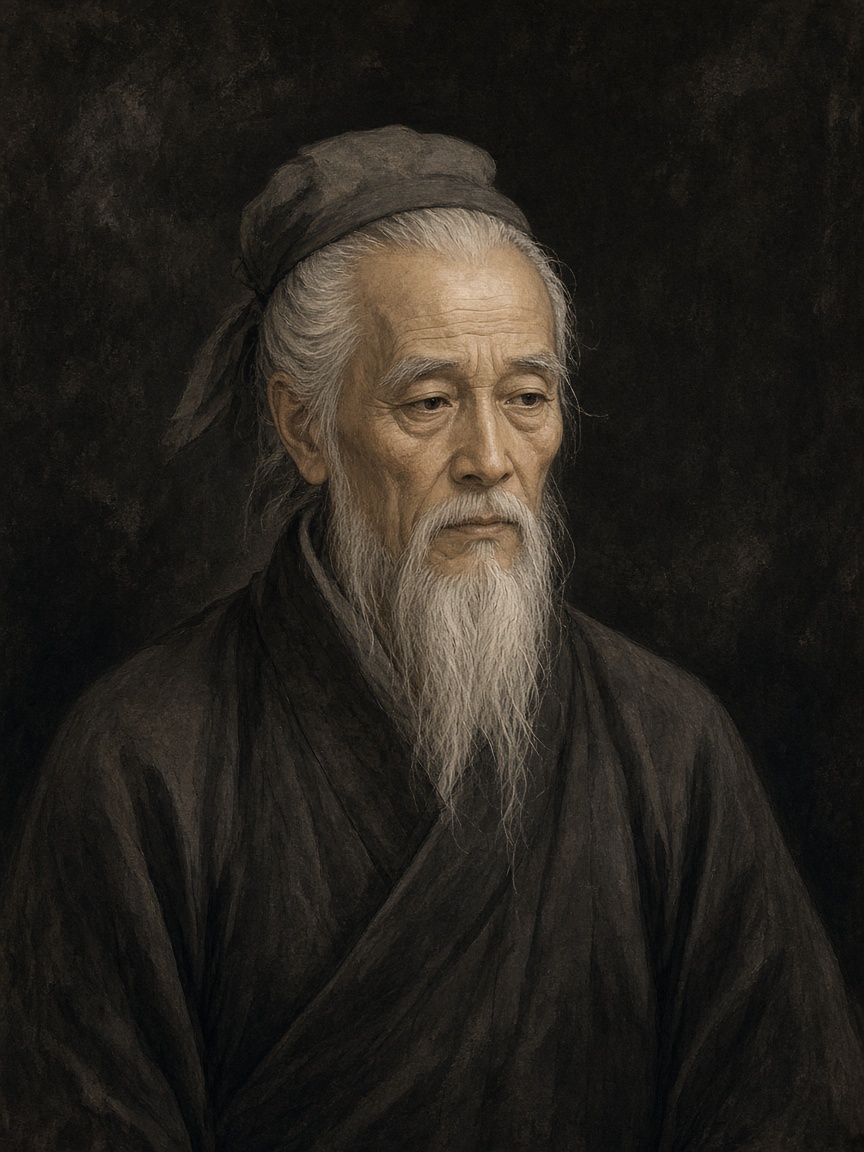
Sun Tzu
General

Sun Tzu

Spring and Autumn

The Art of War taught that the supreme victory is the one won without battle — a text still read wherever staffs gather.
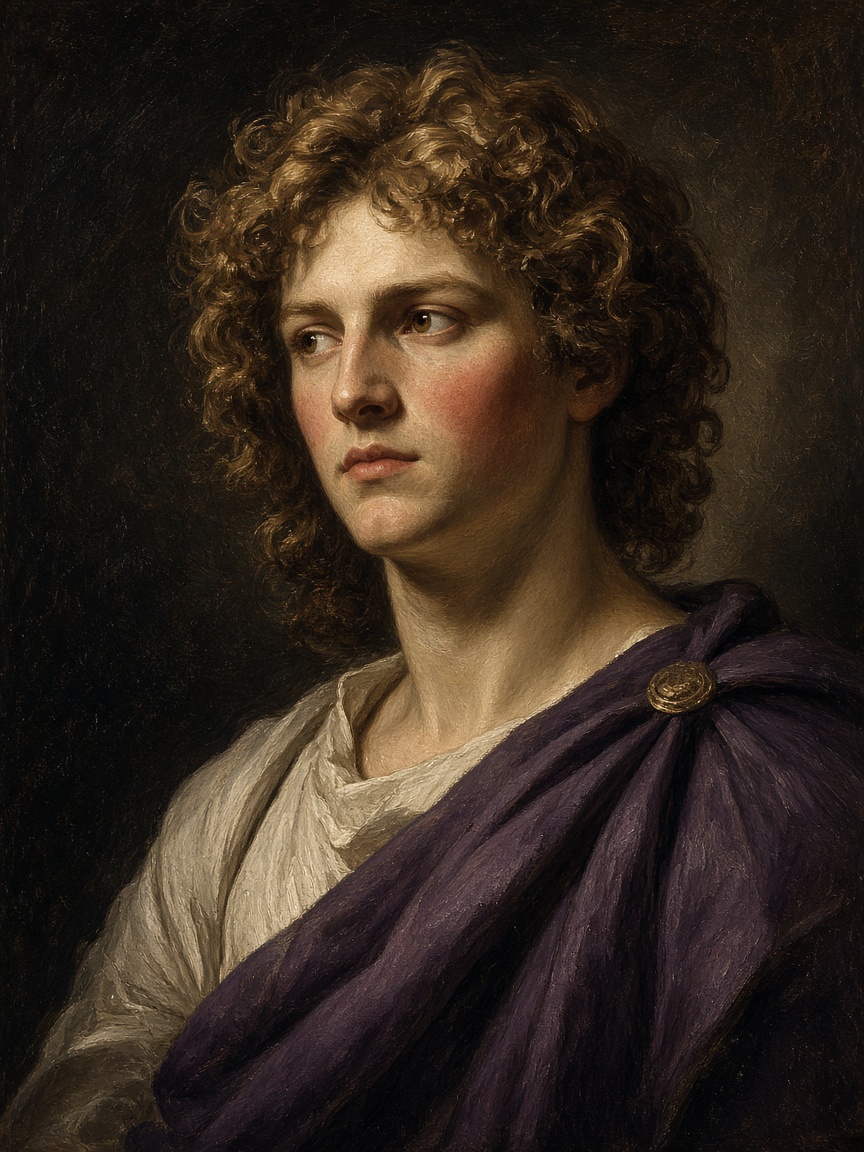
Alexander the Great
General

Alexander the Great

356–323 BC

In a decade he carried a Hellenic world to Central Asia and the Indus, and redrew the political map of antiquity.
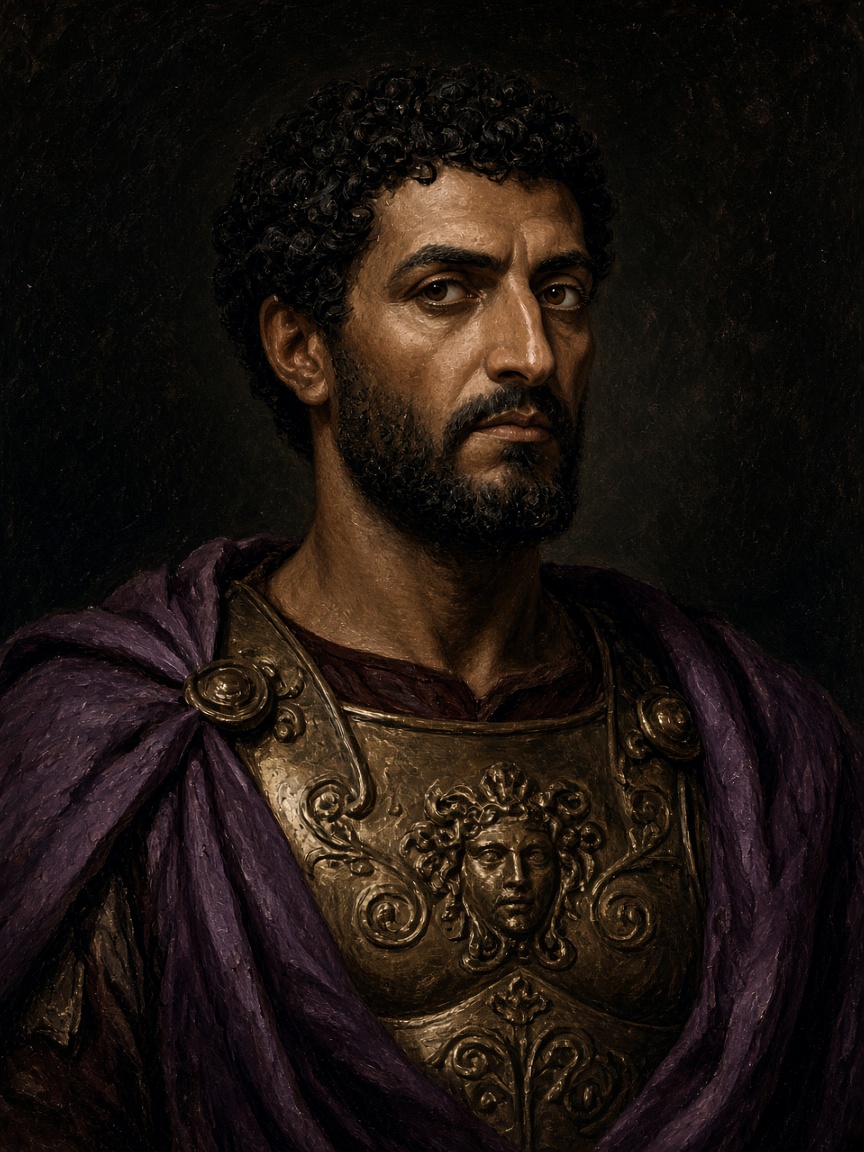
Hannibal
General

Hannibal

247–183 BC

He crossed the Alps with an army and shattered Rome at Cannae — still the textbook of audacity in ancient war.
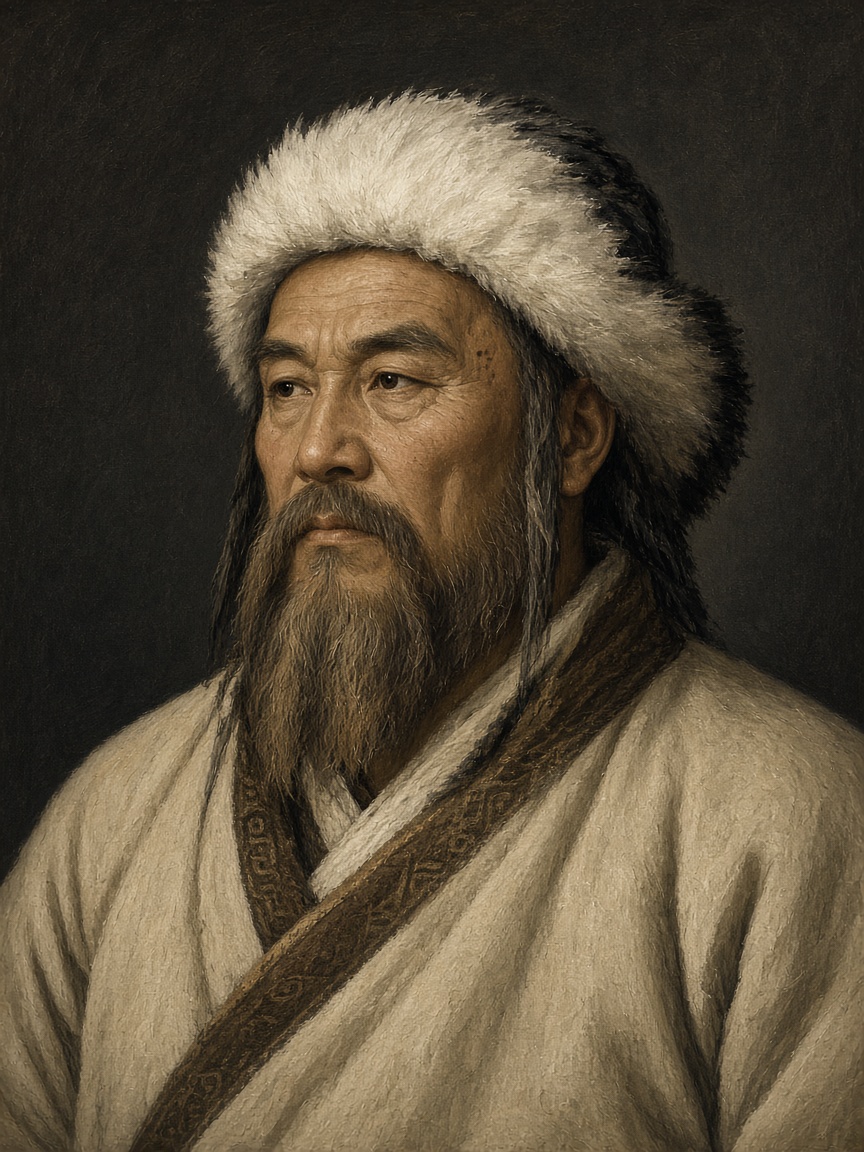
Genghis Khan
General

Genghis Khan

1162–1227

He bound the Mongol clans into a war-machine that spanned Eurasia, the high-water mark of pre-modern conquest.
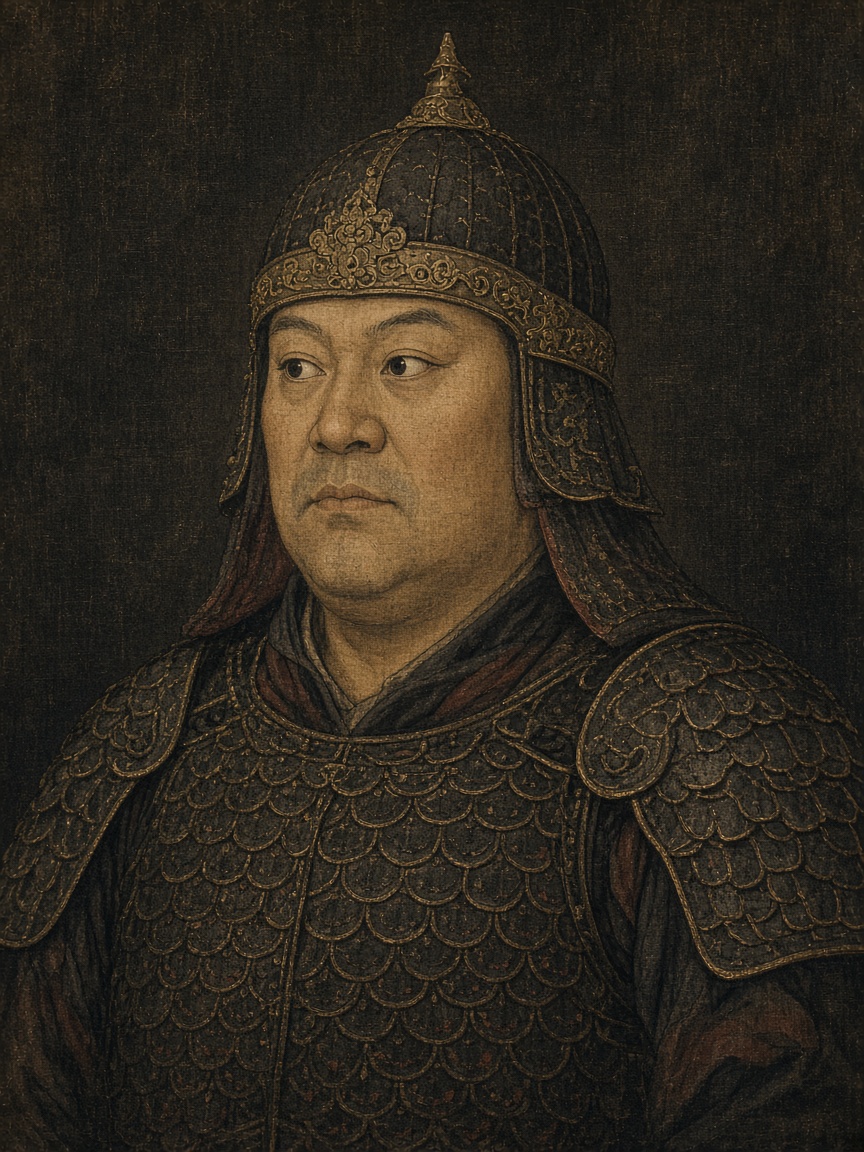
Yue Fei
General

Yue Fei

1103–1142

Song general against the Jurchen Jin; later ages made him the type of loyal arms and bitter recall.
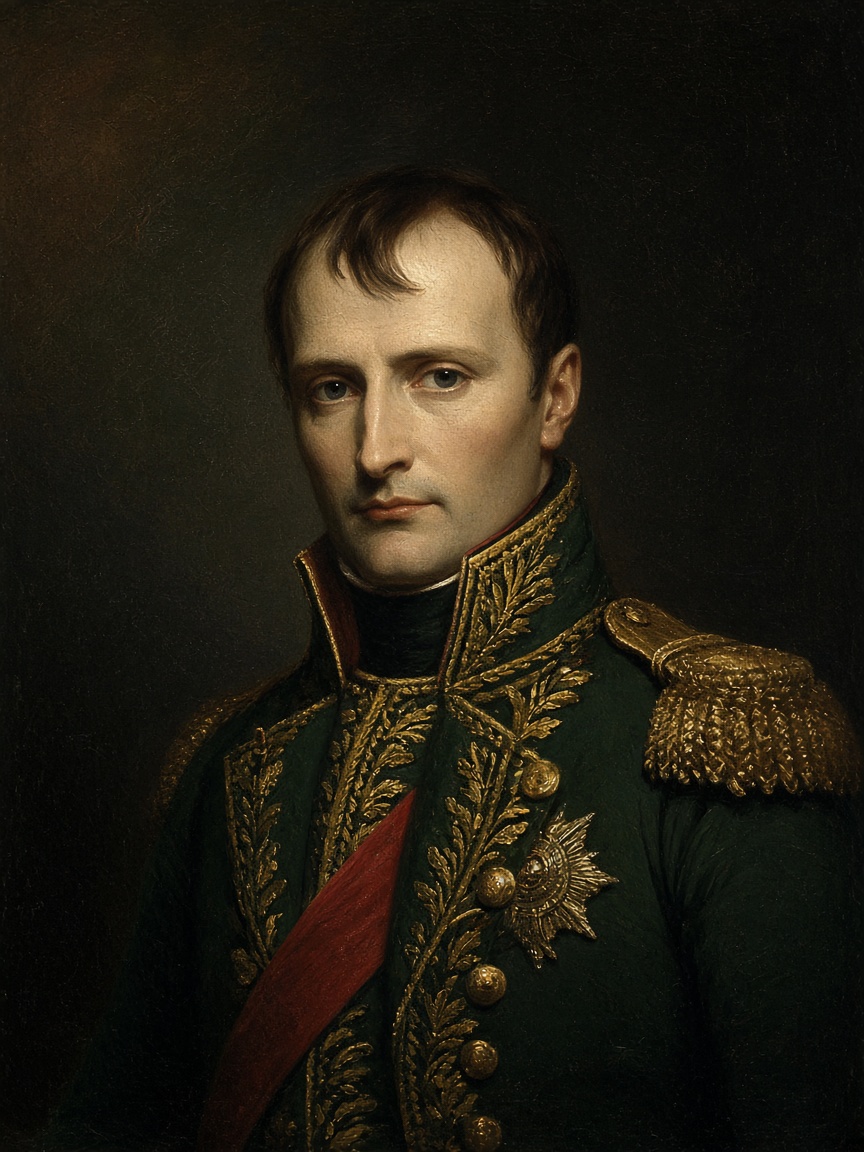
Napoleon
General

Napoleon

1769–1821

Artillery and speed remade European war; the Civil Code outlived the eagles and remade the state.
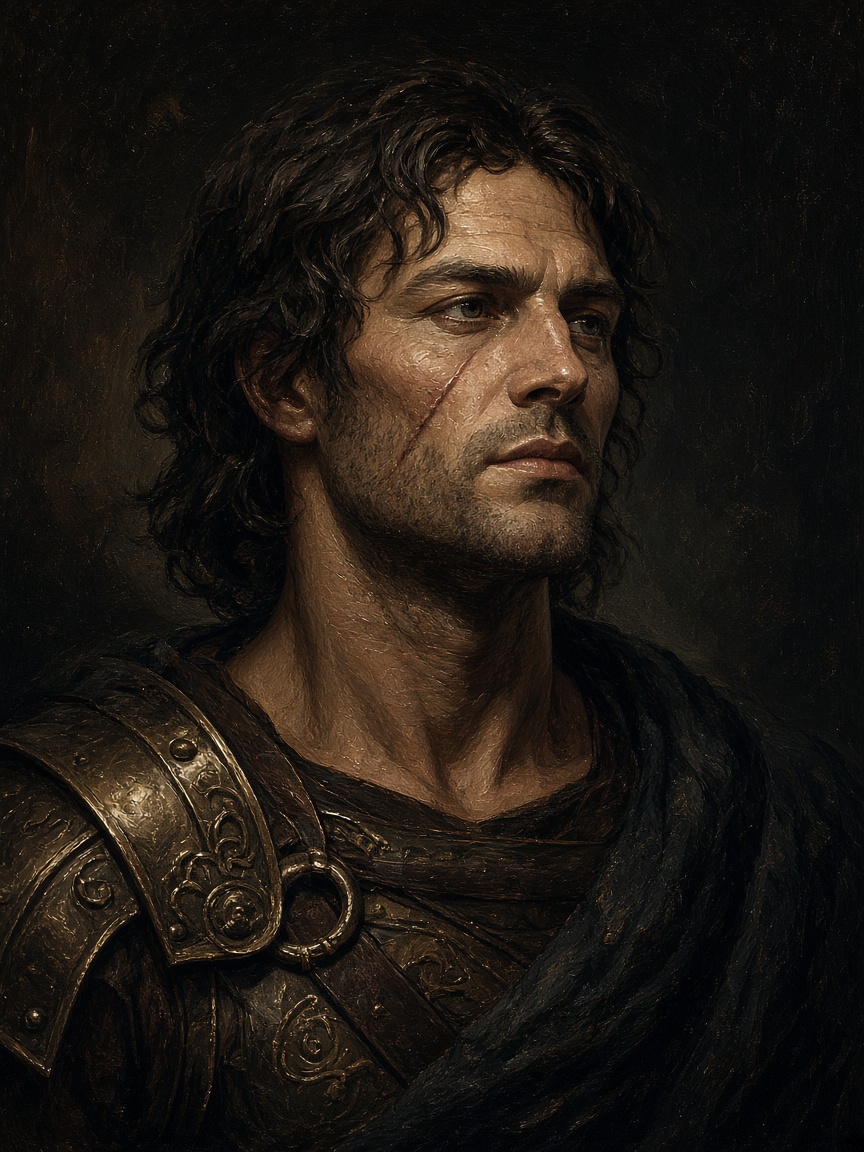
Spartacus
Revolutionary

Spartacus

c. 111–71 BC

He led gladiators in revolt, shook the late Republic, and became a name for the refusal of bondage.
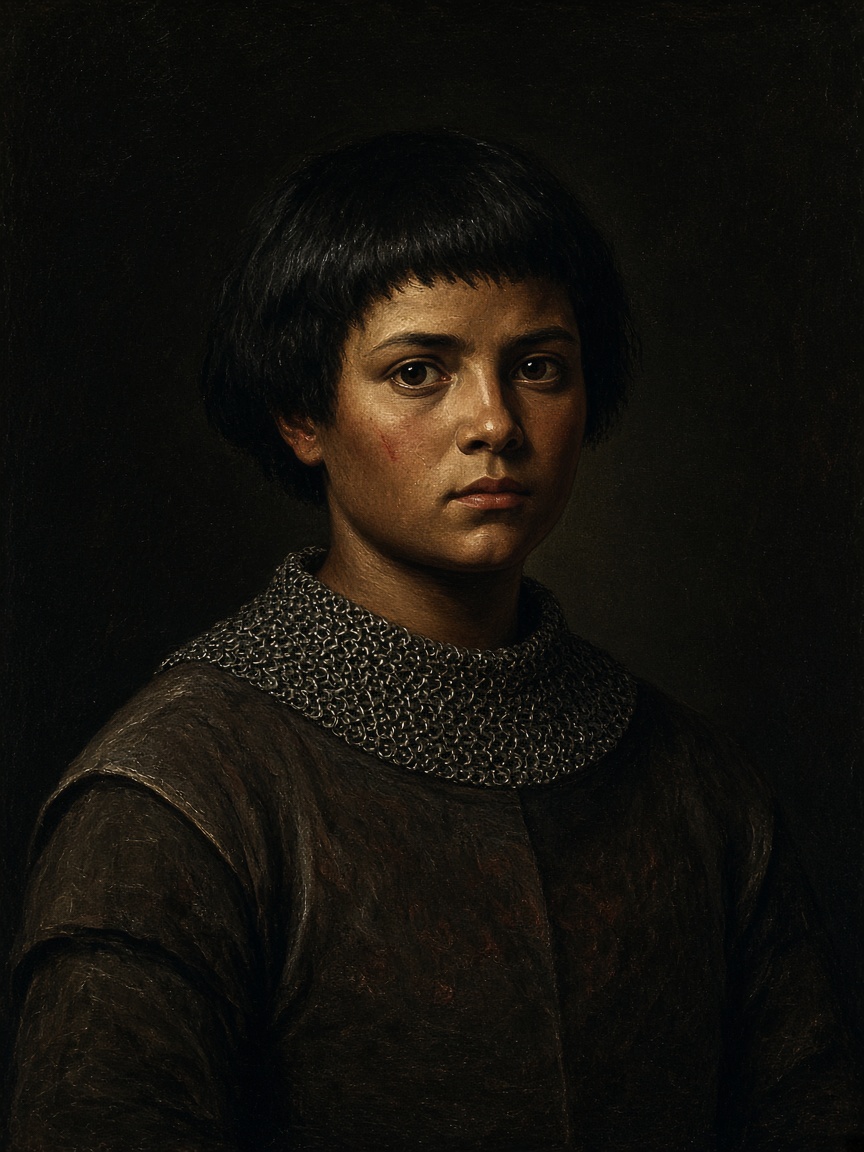
Joan of Arc
Revolutionary

Joan of Arc

1412–1431

She lifted France in the Hundred Years’ War and entered the nation’s memory as a single, stubborn flame.
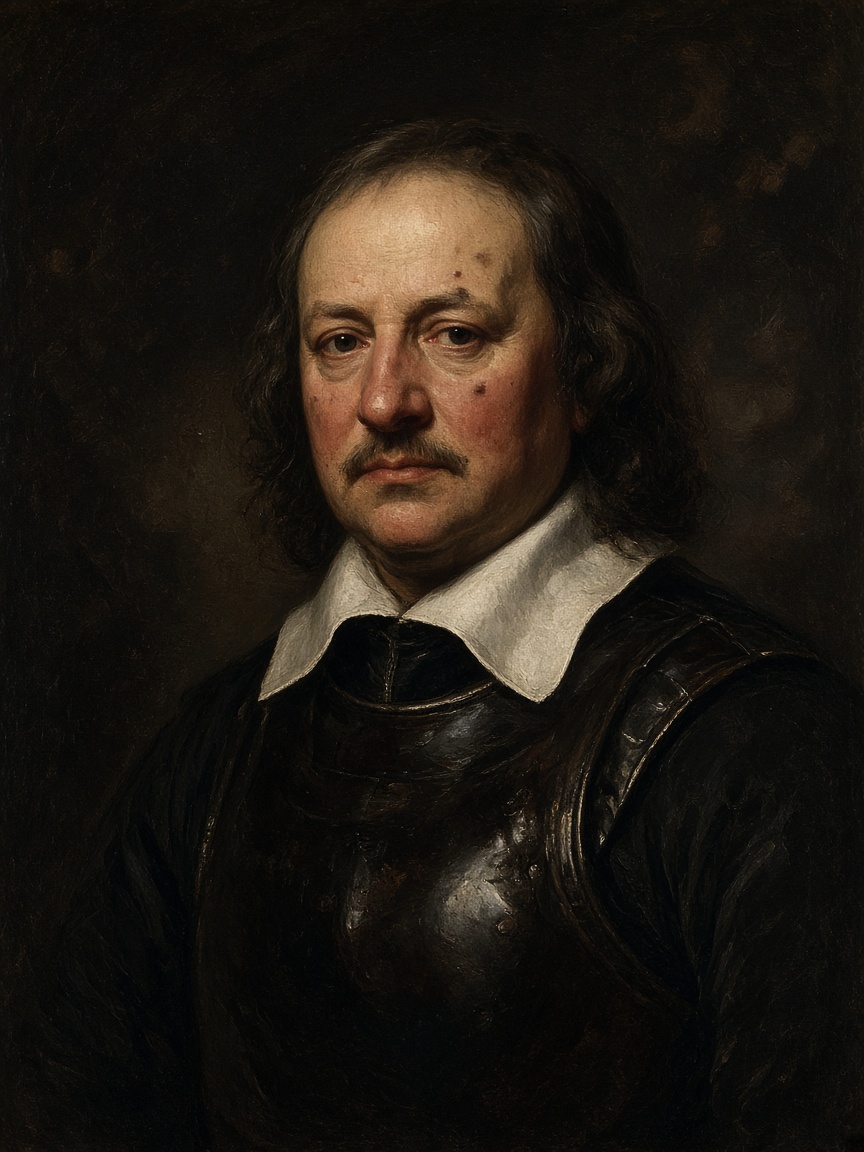
Oliver Cromwell
Revolutionary / Politician

Oliver Cromwell

1599–1658

In civil war he unseated a king and tried a commonwealth — England’s first modern experiment in revolution.
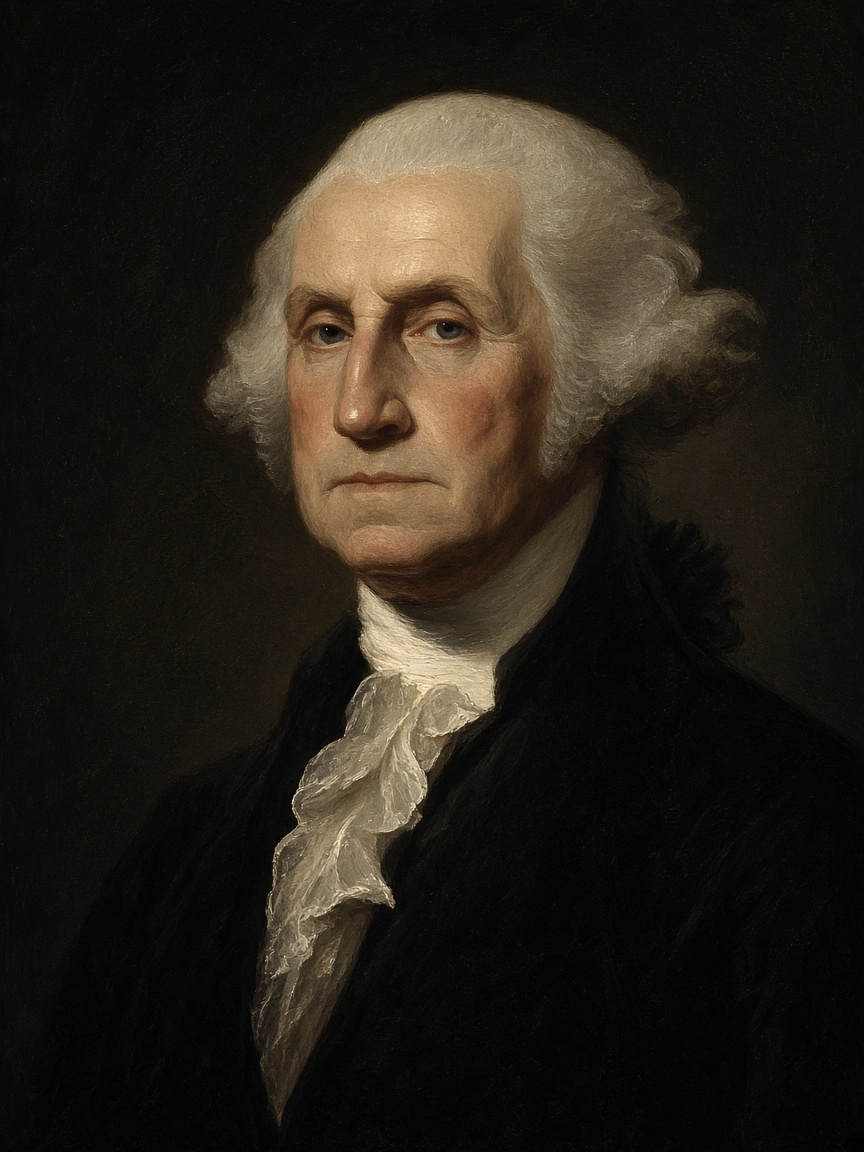
George Washington
Revolutionary / Politician

George Washington

1732–1799

He won a war of independence and refused a crown, setting the republican habit of handing power on.
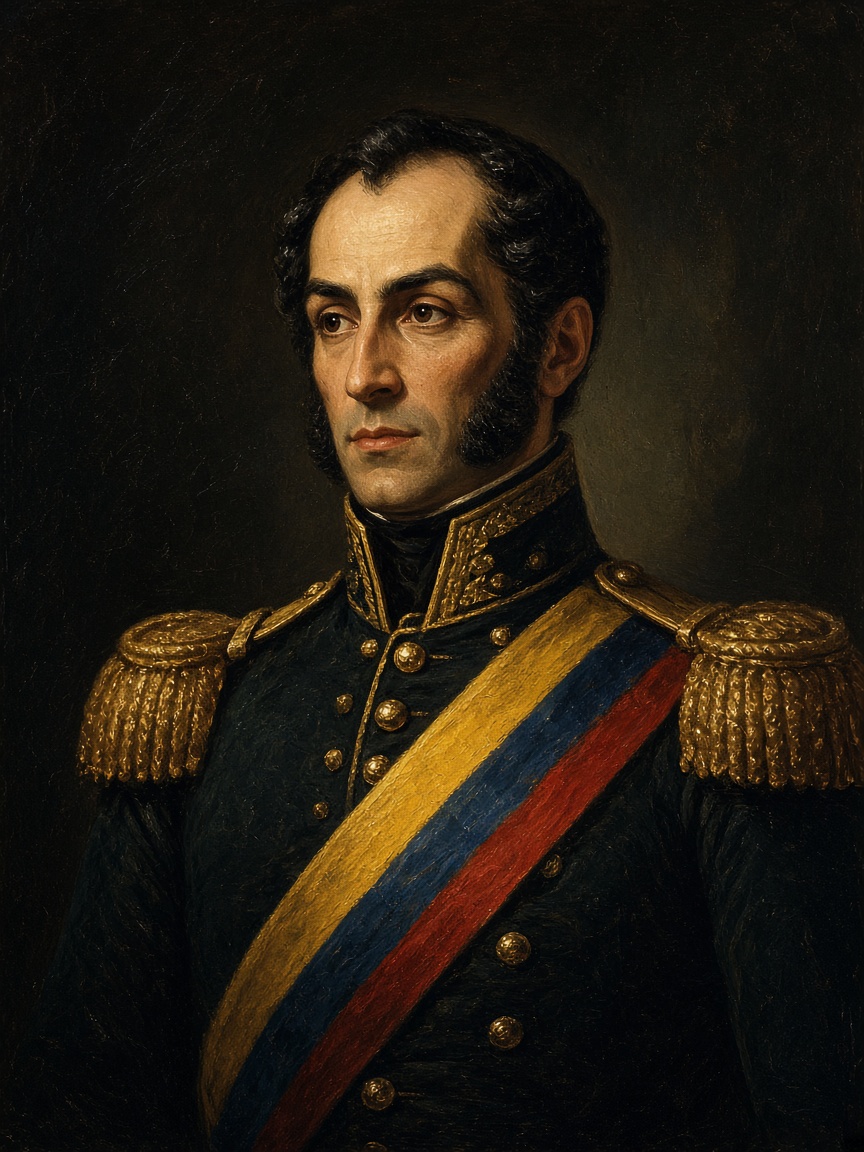
Simón Bolívar
Revolutionary

Simón Bolívar

1783–1830

Liberator of the Andes and the Caribbean rim, midwife to several republics between mountain and sea.
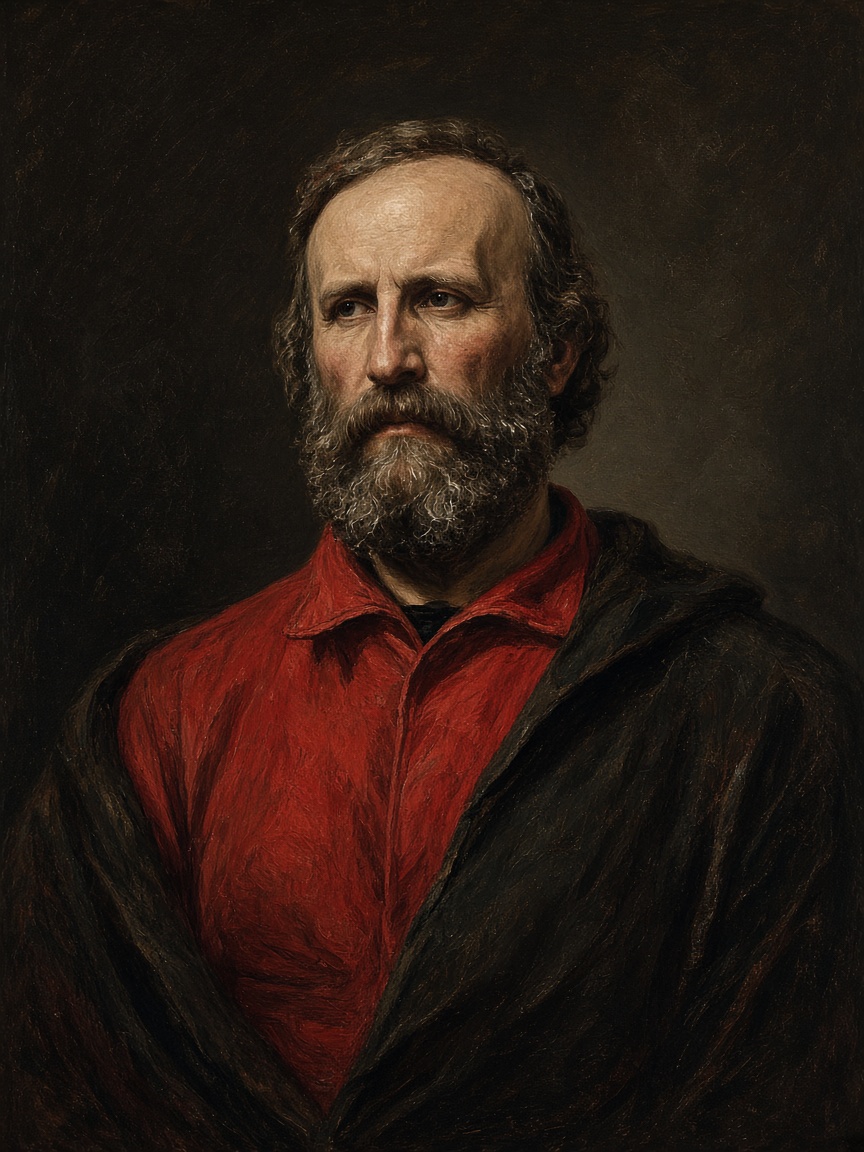
Giuseppe Garibaldi
Revolutionary

Giuseppe Garibaldi

1807–1882

Redshirts and the making of Italy — the nineteenth century’s favourite legend of the revolutionary volunteer.

Narratives

Stories on the map

Routes

  • Hadrian’s Wall — Rome’s northern limit in Britain, a stone line between empire and the unconquered north
  • Hastings (1066) — Norman cavalry and the making of a new English crown
  • The Spanish Armada (1588) — Elizabethan seapower turns the Channel into a theatre of Protestant survival
  • Trafalgar (1805) — Nelson breaks the combined fleet and locks British command of the sea
  • First Punic War (264–241 BC) — Rome and Carthage contest Sicily; Carthage is not yet destroyed
  • Second Punic War (218–201 BC) — Hannibal crosses the Alps and campaigns in Italy
  • Zheng He’s voyages — Ming treasure fleets; the capture of the pirate Chen Zuyi; traffic with Melaka
  • Vasco da Gama’s route — Europe reaches India by rounding Africa
  • Magellan–Elcano circumnavigation — the first circuit of the globe; Magellan dies in the Philippines
  • Alexander’s eastern campaign — from the east Mediterranean into Central Asia and the Indus
  • The Antonine Wall — Rome’s other frontier work in Britain
  • Great Northern War (1700–1721) — Russia, Denmark–Norway and Saxony–Poland challenge Swedish mastery of the Baltic

Rise and fall of realms

  • Kingdom of England (927–1707) — from Æthelstan’s realm to the Act of Union
  • Elizabethan seapower and the Armada year — a kingdom learning to live by the ocean
  • The United States, 1776–1789 — independence and the early federal union
  • Normandy — a duchy of Northmen inside the Frankish world
  • The Mongol Empire’s partition — the great khanates going their own ways
  • Inca Empire — Andean power, broken in the sixteenth century
  • Qing — the last imperial dynasty of China in this atlas’s span
  • Republic of Texas (1836–1846) — the Lone Star between Mexico and the Union
  • Vandal Kingdom — a Germanic realm in North Africa; sack of Rome in 455, later ruined by the East Romans
  • Srivijaya — a maritime polity centred on Sumatra
  • Sultanate of Rum — Seljuk succession in Anatolia
  • Russian eastward push into Siberia — Cossacks riding to meet the sun, a continent claimed by river and ostrog
Begin

Five millennia, in the palm of your hand

HistoricalAtlas · The making of civilizations Download iOS Download Android